
Iraq Ziyarat
Iraq Ziyarat Visa Guide for Pakistani Pilgrims
A practical Iraq Ziyarat visa guide for Pakistani pilgrims covering the eVisa portal, group travel rules, age restrictions, validity and common mistakes.
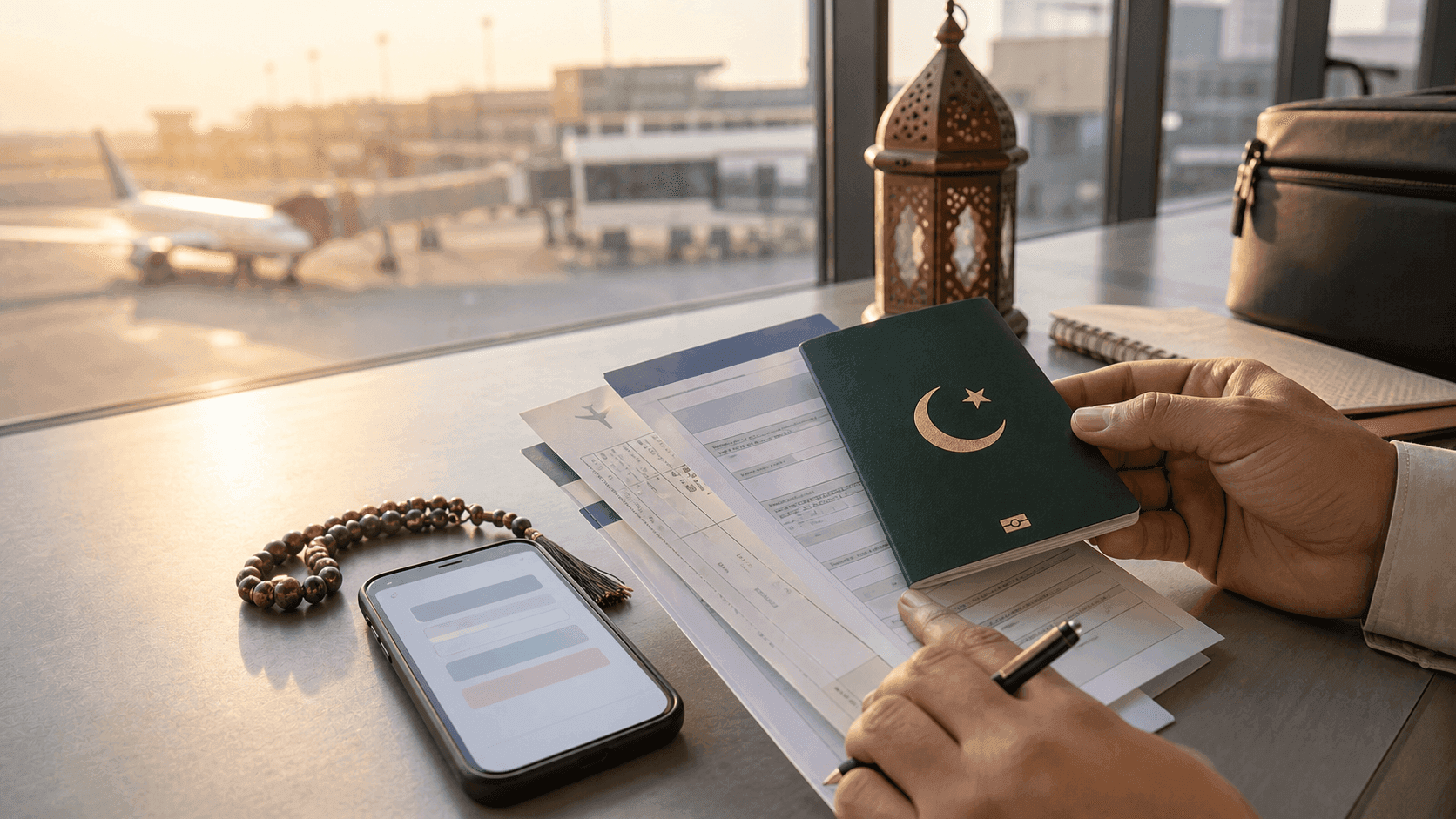
Every year, tens of thousands of Pakistani Shia Muslims travel to Iraq for Ziyarat, visiting the shrines of Imam Hussain (A.S.) in Karbala, Imam Ali (A.S.) in Najaf, and the other Imams buried in Kadhimiya and Samarra. The trip runs on a visa process that is different from an ordinary tourist visa, and the rules around it have tightened in recent pilgrimage seasons.
This guide explains how the Iraq Ziyarat visa works for Pakistani applicants, what changed for large gatherings like Ashura and Arbaeen, and what to prepare before you book flights. For a full breakdown of documents, packing and shrine etiquette once your visa is approved, keep the Iraq Ziyarat guide open alongside this article.
Quick Answer
Pakistani pilgrims apply for a Ziyarat (religious visit) visa, not a standard tourist visa, through the official Iraq eVisa portal or a travel agency registered to handle pilgrim groups. The Iraqi Embassy in Islamabad lists the visa as single-entry, valid for one month, at $30 for a group booking through a licensed tour operator or $40 for an individual applicant. Processing can take days outside peak season but commonly stretches to one to four weeks around Ashura and Arbaeen. Recent seasons have added extra conditions: a minimum age for single male travelers, restrictions on solo travel under a family visa, separate visas for Ashura and Arbaeen, and passport custody by Iraqi immigration during the stay. Confirm the current fee and rules with your operator or the embassy before booking, since both are reviewed each season.
How Does a Ziyarat Visa Differ From a Tourist Visa
Iraq treats religious pilgrimage as its own visa category, separate from general tourism. The Ziyarat, or "Ziyara," visa is intended specifically for pilgrims heading to Najaf, Karbala, Kadhimiya and Samarra, and it is processed through evisa.iq or through an agency the Iraqi authorities have registered to submit pilgrim group applications. Applying through an unverified agent who cannot show this registration is a common source of delays and rejected applications, so check that your operator is authorized before paying any fee.
The Embassy of the Republic of Iraq in Islamabad lists the Ziyarat visa as a single-entry visa valid for one month, with a fee of $30 for pilgrims traveling through a licensed tourism company and $40 for individual applicants; confirm the current fee with the embassy or your operator, since published fees can change. Processing time varies with demand: the eVisa system can turn around a standard application within days outside peak season, but Ashura and Arbaeen push both embassy counters and evisa.iq to their highest volume of the year, and turnaround can stretch to several weeks. Apply as early as your operator allows during these seasons rather than close to your travel date.
New Rules Pakistani Pilgrims Should Know Before Booking
Iraq has introduced additional conditions for large pilgrimage seasons in recent years, and pilgrims planning a trip should confirm the current version of each rule with their travel agent or the Iraqi embassy in Islamabad, since these have changed between seasons:
- Single male pilgrims under a set minimum age have been barred from entry in some seasons.
- A person traveling alone on what is issued as a family visa has not been permitted entry.
- Visas have been limited to 30 days of validity.
- A visa issued for Ashura generally cannot be reused for Arbaeen; each pilgrimage period needs its own application.
- Iraqi immigration has, in recent seasons, held passports in custody for the length of the pilgrim's stay rather than returning them at the airport.
- Most pilgrims are now expected to travel through registered group organizers rather than as independent travelers.
None of these should surprise a pilgrim who books through a properly registered operator, since a reliable agency will explain which conditions currently apply to your specific trip dates and travel party.
Documents You Need Before You Apply
Beyond the visa application itself, a few supporting documents make the process smoother. You will generally need a passport valid for at least six months beyond your travel dates, a group registration or tour operator confirmation, hotel or mawkeb booking details for each city on your itinerary, and a return ticket that fits inside your visa's validity window. Pakistan also requires outbound international travelers to carry a valid Polio (OPV) vaccination certificate, taken between four weeks and twelve months before travel and valid for twelve months from the date of vaccination; it is downloadable through NADRA's NIMS portal or the Pak Vaccination Pass app for a small fee, and is checked separately from your Iraq visa at departure from Pakistan. The documents checklist page in the Iraq Ziyarat guide covers this in full detail, including what to keep as backup copies.
Avoiding an Overstay and Visa Rejection
Visa fees are generally not refunded if an application is rejected or a traveler is denied entry on arrival, so it is worth double-checking every document before submission rather than treating the fee as a low-cost gamble. Once you are in Iraq, plan your exit before your visa's validity expires. Overstaying can lead to fines, deportation, and a ban on future entry, consequences that are avoidable with basic date planning around your visa's issued validity window, particularly since most pilgrims now travel in organized groups with a set return date already built into the itinerary.
Frequently Asked Questions
Can I apply for an Iraq Ziyarat visa without going through a travel agency?
Some applications can be submitted directly through the eVisa portal (evisa.iq), but with most pilgrims now required to travel in registered groups, working with an authorized agency is the more reliable route for group registration, hotel booking and staying informed of season-specific rule changes.
How early should I apply before Ashura or Arbaeen?
Apply as early as your operator's process allows, ideally several weeks before your intended travel date, since processing volumes are highest in the weeks leading up to both pilgrimage periods.
What happens if my visa application is rejected?
The visa fee is generally not refunded. Review the stated reason if one is given, correct the specific issue with your documents or application details, and consider reapplying through a properly registered operator if you used an unverified agent the first time.
Visa rules for Iraq Ziyarat travel change between seasons, so treat this guide as a starting point and confirm the current requirements with a registered tour operator or the Iraqi embassy in Islamabad before you finalize your trip.
Final check
Conclusion
- A practical Iraq Ziyarat visa guide for Pakistani pilgrims covering the eVisa portal, group travel rules, age restrictions, validity and common mistakes.
- Every year, tens of thousands of Pakistani Shia Muslims travel to Iraq for Ziyarat, visiting the shrines of Imam Hussain (A.S.) in Karbala, Imam Ali (A.S.) in Najaf, and the other Imams buried in Kadhimiya and Samarra.
- This guide explains how the Iraq Ziyarat visa works for Pakistani applicants, what changed for large gatherings like Ashura and Arbaeen, and what to prepare before you book flights.
Use a related tool
Run an estimate, then confirm serious decisions with qualified professionals.